Green Street front garden gardeners for terraced properties
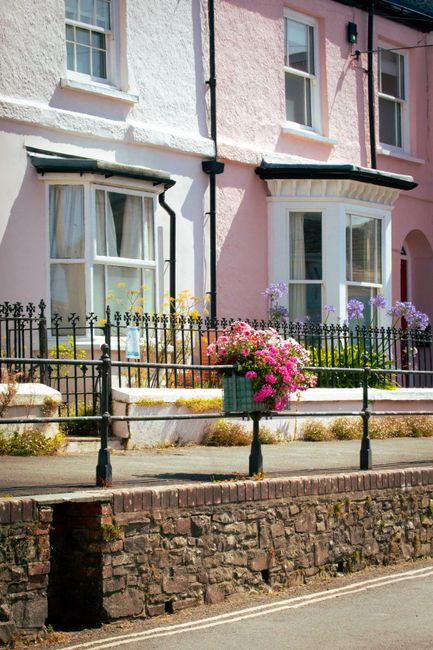
If you live in a terrace near Green Street, you already know the front garden has a funny amount of influence for such a small space. It is the bit visitors notice first, the patch you see every time you unlock the door, and often the only outdoor area that can make the whole property feel cared for. Good Green Street front garden gardeners for terraced properties understand that balance: neatness, privacy, low-maintenance planting, and a layout that works with narrow plots, shared sightlines, and busy pavement life.
This guide breaks down how front garden gardening works for terraced homes, what to expect from a professional service, and how to choose the right approach for your space. We will look at practical design choices, common mistakes, maintenance routines, compliance points, and the kind of details that make a small garden feel calm rather than cluttered. Truth be told, terraced front gardens can be brilliant when they are handled properly. They just need a slightly different mindset.
Why Green Street front garden gardeners for terraced properties Matters
A terraced front garden is not just decoration. It shapes how the home feels from the street, how easy it is to keep tidy, and how much daily effort you need to spend on it. For many homes around Green Street, the front plot is narrow, visible, and exposed to foot traffic, wind, pollution, and the occasional dropped takeaway cup. That means the wrong planting choice, the wrong edging, or a poor layout becomes obvious very quickly.
Experienced front garden gardeners for terraced properties bring a practical eye to all of that. They know that a pretty plan is only useful if it survives weather, shade, bins, deliveries, and the fact that most people do not want to spend every weekend deadheading something fussy. The job is often about making small spaces look intentional rather than packed.
There is also a property-value and kerb-appeal angle, of course, but it is not only about looks. A well-kept front garden can improve light around the doorway, keep pathways clear, reduce slipping hazards, and stop a tiny space from becoming a constant source of low-level stress. You know the feeling: you glance out the window, see one overgrown shrub, and suddenly the whole frontage feels messy. Small space, big mood.
Expert summary: For terraced properties, the best front garden work is usually simple, durable, and easy to maintain. Good design does not shout. It settles the house.
How Green Street front garden gardeners for terraced properties Works
In practice, front garden gardening for terraced homes starts with a space audit. A gardener will usually look at the shape of the plot, drainage, sun and shade, soil quality, boundary conditions, access, and how the garden is used day to day. On a terrace, access can be awkward. Tools may need to pass through the house, wheelbarrows may not fit, and the front area might be too small for heavy machinery. That is normal.
The next step is deciding what the garden actually needs. Some gardens need a tidy-up and reset. Others need better structure: a small path, more resilient planting, improved edging, a clearer layout, or a full front-garden makeover. The service may include pruning, hedge trimming, lawn care, bed preparation, weed removal, mulching, planting, or even hard landscaping if the space needs stronger boundaries or a neater finish.
For terraced properties, the best approach is usually layered. Start with structure, then surface, then planting. If you get those out of order, things can look a bit random. A front garden full of plants but with no proper edging or access route often ends up feeling messy by month two. That is just how these spaces behave.
Many people also want a front garden that works through the seasons. So, a good gardener will consider winter shape, summer colour, evergreen bones, and how the space looks after the flowers fade. In a terrace, winter matters more than people expect. Bare branches and tidy evergreen planting can look far better than a complicated scheme that collapses visually in November.
Key Benefits and Practical Advantages
The obvious benefit is a better-looking frontage. But there is more to it than that. The right gardener can help a terraced front garden become easier to manage, more private, and better matched to how you actually live.
- Lower maintenance: Robust planting and sensible layouts reduce the time you spend weeding, pruning, and tidying.
- Cleaner appearance: A clear path, straight edging, and controlled planting make even tiny gardens look more deliberate.
- Better first impression: This matters if you are welcoming guests, renting the property, or thinking about resale down the line.
- Improved privacy: Carefully chosen shrubs, climbing plants, or taller containers can soften the view from the street without making the place feel blocked in.
- Safer access: Regular clearing of moss, overgrowth, and trip hazards helps keep entrances practical in wet weather.
- Seasonal resilience: A well-planned frontage can still look decent in winter, heat, and heavy rain, which is often where weak planting choices fall apart.
Another advantage people sometimes miss is simplicity. Good front garden work removes decisions. You are not constantly wondering what to do next. The whole thing just behaves itself, which is honestly the nicest kind of garden.
| Approach | Best for | Typical result | Maintenance level |
|---|---|---|---|
| Low-maintenance planting | Busy households, rented homes, compact terraces | Neat, durable, easy to keep tidy | Low |
| Traditional mixed border | Owners who enjoy seasonal interest | More colour and texture, more choice | Medium to high |
| Hard-landscaped frontage | Very small plots or high-traffic entrances | Clean, structured, highly practical | Low to medium |
| Privacy-focused planting | Homes close to the pavement | Filtered views and softer boundaries | Medium |
Who This Is For and When It Makes Sense
This kind of gardening service is especially useful if your terrace front garden is small, awkwardly shaped, or always one windy day away from looking tired. It is also a good fit if you want the front of your home to look cared for without needing a lot of weekly effort.
It tends to make sense for:
- homeowners with narrow terraced front plots
- landlords who need the frontage to stay presentable between tenancies
- families who want a tidy, safe entrance with minimal fuss
- older properties with overgrown shrubs or tired borders
- new homeowners who want a clean start rather than a patch-up job
- anyone who wants privacy, structure, and a neat street-facing finish
It may also be the right time if you have been relying on quick fixes for too long. A few bags of mulch and a weekend tidy-up can help, sure, but if the bed structure is poor or the planting is simply wrong for the site, you will keep fighting the same problems. And nobody needs a second job in the form of a front garden.
If the frontage gets full sun, deep shade, or constant run-off from paving, that matters too. A good gardener will adjust the plan rather than forcing fashionable plants into an unsuitable spot. That sort of judgement saves money later.
Step-by-Step Guidance
If you are thinking about improving a terraced front garden around Green Street, here is a sensible way to approach it. Not glamorous, perhaps, but effective.
1. Start with a proper assessment
Look at what is already there. What is thriving? What is failing? Where does the water sit after rain? Is the path practical? Is there enough room for bins, bikes, prams, or a foldable buggy? The answer often tells you more than the plant labels do.
2. Decide the main job of the garden
Ask what the space should do. Should it be a neat green frame for the home? A little pocket of privacy? A low-maintenance frontage? A welcoming display? Trying to make it do everything at once usually ends badly. Pick the main purpose and build from there.
3. Clear and simplify
Remove dead plants, broken edging, accumulated weeds, and anything that blocks the overall shape. This is often the moment when the garden starts to make sense. A small terrace frontage does not need lots of features. It needs the right features.
4. Fix the structure first
Deal with paths, borders, edging, drainage issues, and boundary lines before worrying about colour. Hard landscaping and clean geometry are the bones of the space. Get those right and the planting has a chance to look good.
5. Choose plants for the site, not the mood board
It is tempting to copy a lovely image you saw online. But front gardens are real, not magazine sets. Choose plants that cope with local light, exposure, and the amount of care you are actually willing to give. Evergreen shrubs, compact grasses, hardy perennials, and climbers are often useful in terraced front gardens because they stay structured.
6. Add mulch or a tidy finish
Mulch helps suppress weeds and gives the bed a finished look. Gravel, bark, or decorative ground cover can work if they suit the property and drainage. The key is consistency. A half-finished frontage always looks half-finished. Nature is wonderfully unhelpful like that.
7. Set a maintenance rhythm
Once the garden is established, agree on what happens monthly, seasonally, and after bad weather. A good service is not only about installation. It is about keeping the space in shape so it does not slide back into chaos.
Expert Tips for Better Results
In our experience, the best terraced front gardens rarely rely on rare plants or dramatic design. They rely on a few solid habits. Here are the tips that matter most.
- Keep the number of plant varieties modest. Too many different textures can make a tiny space look busy instead of elegant.
- Use repeated shapes. Repetition of form creates calm. A row of matching containers or a repeated shrub shape can do a lot of heavy lifting.
- Prioritise evergreen structure. Front gardens are seen every day, not just in bloom. Winter structure matters more than people think.
- Check sightlines from the door. A plant may look lovely from the pavement but block movement or light at the threshold.
- Leave room for practical life. Door opening, bins, bikes, umbrellas, parcels. A terrace frontage has to work, not merely impress.
- Keep edges crisp. Clean edges make modest planting look refined. Sloppy edges make expensive planting look rushed. Bit unfair, but true.
A small story from a typical job: a terrace frontage that looked tired in February was transformed simply by removing one oversized shrub, resetting the bed line, and adding low evergreen structure with seasonal bulbs underneath. Nothing dramatic. Yet the whole house suddenly felt brighter and more cared for. That is the trick with these spaces. Often it is not more, it is less but better.
One more thing. Do not forget lighting if the property is shaded or the entrance feels gloomy in the evening. You do not need a grand system, just enough to make the space usable and welcoming after dark.
Common Mistakes to Avoid
Terraced front gardens are easy to get wrong because the space is small and the urge to do too much is strong. A few common mistakes come up again and again.
- Overplanting: Too many plants in a narrow bed creates crowding, disease pressure, and messy maintenance.
- Ignoring the path: If access is awkward, the whole garden feels awkward. Path width and placement matter.
- Choosing thirsty or delicate plants for exposed sites: A plant that needs perfect conditions will not enjoy a windy street frontage for long.
- Skipping soil improvement: New plants often fail because the soil was never prepared properly.
- Using the wrong containers: Tiny pots dry out fast; oversized ones can dominate the frontage. Balance matters.
- Letting hedges or shrubs get too large: Once a boundary plant outgrows the space, the front garden starts to feel closed in.
Another mistake is treating the garden as a one-off project. Front gardens, especially in terraces, need small and regular interventions. A ten-minute tidy each week can save a far bigger job later. It sounds obvious, but plenty of people only notice when the weeds have already moved in and made themselves at home.
Tools, Resources and Recommendations
You do not need a shed full of kit to manage a front garden well, but the right tools make the work cleaner and faster. For many terrace jobs, the basics go a long way.
- sharp secateurs for pruning and deadheading
- loppers for thicker stems and awkward woody growth
- a stiff hand fork or weeding tool for beds and cracks
- border spade or trowel for planting and edging
- a broom or blower for keeping paths presentable
- mulch or top dressing suitable for the planting style
- gloves, especially if the site has thorny shrubs or rough edges
For homeowners who prefer to outsource, it helps to look for a service that offers both maintenance and garden clearance rather than just a one-off tidy. That gives you a better chance of getting the whole frontage into a stable condition. Useful pages to review on this website include garden maintenance, garden clearance, and hedge trimming if your front boundary needs regular shaping.
If the frontage is part of a bigger outdoor refresh, it may also be worth looking at landscape gardening or landscaping for a more structural update. And if trees are causing shade, debris, or pressure on the front space, tree lopping and removal may be relevant, provided the work is genuinely needed and properly planned.
Law, Compliance, Standards, or Best Practice
For front gardens, compliance usually means being careful rather than complicated. If the work affects boundaries, pavements, trees, drainage, or visibility near the public highway, it is worth checking the situation properly before starting. In some cases, local council rules, neighbour agreements, or property covenants may matter. It is not always dramatic, but it is worth getting right.
A few sensible best practices apply in most UK settings:
- Keep front access clear and avoid creating trip hazards.
- Do not block sightlines in a way that makes entrance and exit difficult.
- Check before removing substantial trees or doing major boundary changes.
- Be careful with waste removal and recycling, especially after clearance work.
- Choose plants and materials that are suitable for the site rather than relying on short-lived trends.
Professional gardeners should also work safely, use appropriate tools, and protect adjacent surfaces. If you are comparing providers, it is reasonable to ask about insurance, safety practices, and how waste is handled. Pages such as insurance and safety, health and safety policy, and recycling and sustainability can help you understand the approach a responsible company should be taking.
If pricing is part of your decision, ask for a clear breakdown of what is included. For example, does it cover waste removal, replanting, and follow-up maintenance? The page on pricing and quotes is a useful place to start if you want to understand how a service may be presented. And if you want to know more about the company itself, about us gives some additional context.
Options, Methods, or Comparison Table
There is no single right way to manage a terraced front garden. The best choice depends on budget, time, style, and how much upkeep you want. Here is a straightforward comparison.
| Method | What it includes | Pros | Watch-outs |
|---|---|---|---|
| Regular maintenance only | Weeding, pruning, edging, light tidy-up | Affordable, keeps a garden presentable | Won't fix poor layout or tired planting |
| Clearance plus replanting | Removal of overgrowth, then new planting scheme | Big improvement, reset from scratch | Needs a good plan or it can feel patchy |
| Frontage redesign | Structural changes, paths, borders, planting | Most transformative and long-lasting | More involved, may need more budget and time |
| Low-maintenance conversion | Hardier planting, simpler surfaces, reduced upkeep | Easy to manage, good for busy households | Can look plain if not designed carefully |
If you are unsure which route suits your home, think about your future rather than just the current weekend. Are you likely to keep gardening regularly, or do you need a setup that stays decent even when life gets busy? That answer usually points you in the right direction.
Case Study or Real-World Example
Take a typical terraced frontage near a busy street: narrow bed, old shrubs crowding the window line, weeds in the path, and a patchy finish after years of piecemeal attention. It is not unusual at all. The owner wants a smarter look, but not something high-maintenance.
The project starts with clearance. Out comes dead growth, self-seeded weeds, broken edging, and a couple of plants that had outgrown the whole plot. Then the boundary is reshaped so the bed has cleaner lines. The gardener improves the soil, adds a few compact evergreen shrubs, some seasonal perennials, and a low-maintenance mulch. The path is cleaned and given a clearer edge. Nothing flashy.
A month later, the space already feels easier. By early evening, when the light starts to go soft and the street gets busier, the frontage still looks calm rather than cluttered. There is room to open the door properly, the bed no longer spills over, and the owner does not need a full Saturday to keep on top of it. That is the real win.
To be fair, that sort of result is common when the design is honest about the size of the space. Small garden, sensible choices, better outcome. Simple as that.
Practical Checklist
Use this checklist before starting work on a terraced front garden, or before asking a gardener to quote.
- Is the garden mainly for presentation, privacy, practicality, or all three?
- Do you know what plants are staying and what needs removing?
- Is the path safe, clear, and wide enough for daily use?
- Have you checked for drainage issues or regular puddling?
- Will the planting suit the amount of sun, shade, and wind the site gets?
- Do you want low, medium, or high maintenance?
- Is there room for bins, bikes, or other front-of-house essentials?
- Do boundary plants need trimming to keep the frontage open and tidy?
- Have you budgeted for aftercare, not just the initial tidy-up?
- Have you considered waste removal and how cuttings will be handled?
Quick practical note: If you cannot confidently answer most of those questions, that is usually a sign you need a clearer plan before spending money. No shame in that. It is much better to pause than to buy the wrong plants and spend the next year trying to make them behave.
Conclusion
Green Street front garden gardeners for terraced properties are doing more than trimming hedges or planting flowers. They are helping small, exposed, often overlooked spaces become tidy, welcoming, and genuinely manageable. For terraced homes, that matters a lot. The frontage has to look good, yes, but it also has to cope with daily life, weather, and the realities of a compact plot.
The best results come from simple structure, suitable planting, sensible maintenance, and a clear eye for what the space can realistically do. If you focus on those things, a modest front garden can start pulling its weight beautifully. And once it does, the whole house feels better for it.
If you are planning a refresh, comparing options, or just want a more practical approach to a tricky terrace frontage, the next step is straightforward: get clear on your goals and speak to a gardener who understands small urban spaces properly.
Get a free quote today and see how much you can save.
Frequently Asked Questions
What do Green Street front garden gardeners for terraced properties usually do?
They typically handle clearing, pruning, planting, edging, lawn or border care, and sometimes more structural work such as reworking paths or improving layout. On terraced homes, the focus is often on making a small frontage neat, practical, and easy to maintain.
How often should a terraced front garden be maintained?
It depends on the planting and the season, but many front gardens benefit from light attention every couple of weeks in the growing season, then less frequent but still regular checks in quieter months. A little and often usually works better than waiting for a big tidy-up.
Are low-maintenance front gardens a good idea for terraced properties?
Yes, often they are the best fit. Terraced front gardens tend to be compact and visible, so simple planting, good edging, and durable materials can make life much easier. The key is keeping it tidy without making it stark or lifeless.
Can a small front garden still have privacy?
It can, though privacy usually comes from selective screening rather than tall barriers. Compact shrubs, climbers, and carefully placed containers can soften sightlines without making the frontage feel closed in.
What plants work best for a terrace front garden?
Hardy evergreen shrubs, compact perennials, and well-chosen climbers often work well because they give structure and can handle regular urban conditions. The right choice still depends on sun, shade, wind exposure, and how much care you want to give.
How do I know if my front garden needs a full redesign rather than a tidy-up?
If the layout is awkward, the planting is constantly failing, or the space never feels balanced even after maintenance, a redesign may be the better option. If it mainly looks tired but the structure is fine, a tidy-up and refresh could be enough.
Do I need permission for front garden changes?
Sometimes, depending on the scale of the work and local conditions. Small planting and maintenance usually do not raise issues, but larger changes involving trees, boundaries, drainage, or pavement-adjacent features may need extra care. If in doubt, check before starting.
Is garden clearance worth it for a small terraced frontage?
Often yes. Clearing out old growth, weeds, and broken features can reveal the true shape of the space and make later improvements much more effective. It is usually the fastest way to reset a garden that has got away from you a bit.
How can I keep a front garden looking tidy without spending much time?
Choose fewer plant types, keep edges crisp, use mulch to suppress weeds, and set a simple maintenance routine. The less complicated the garden is, the easier it is to keep presentable.
What should I ask a gardener before hiring them for a terrace front garden?
Ask about experience with small urban spaces, what the quote includes, how waste is handled, whether they recommend maintenance after the initial work, and how they approach safety and access. Those answers tell you a lot very quickly.
Can front garden work improve kerb appeal even if the property is rented?
Yes, and often quite significantly. A clean, tidy frontage can make a rental feel better cared for and more welcoming. Landlords and tenants both tend to notice the difference straight away.
What is the biggest mistake people make with terraced front gardens?
Trying to do too much. Too many plants, too many materials, too many features. Small spaces usually look best when the design is restrained and the maintenance is realistic.