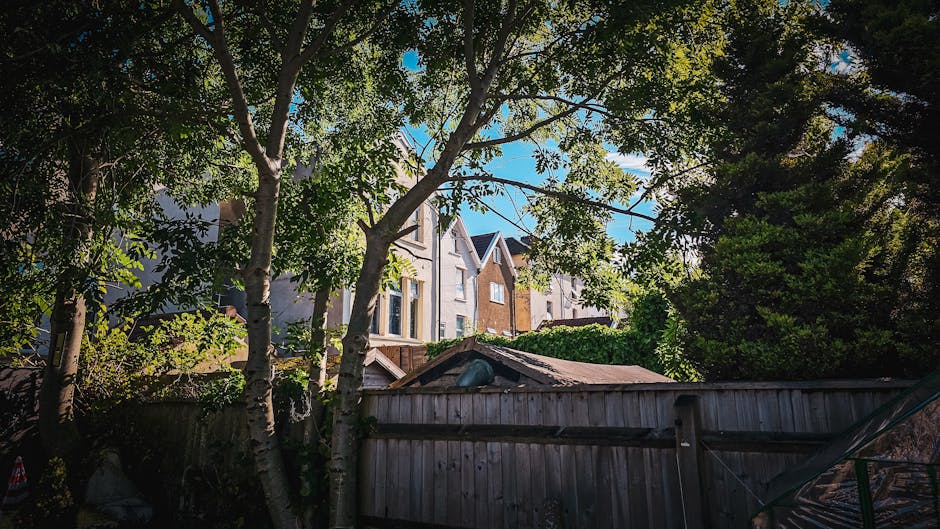
Permits for tree works in West Ham Newham Council rules: what homeowners and landlords need to know
If you are planning to prune, lop, remove, or otherwise carry out tree work in West Ham, the permit question can stop a job in its tracks. That is fair enough. Trees can be protected, neighbours can be affected, and council rules can apply in ways that are easy to miss until you are already halfway through the planning stage.
This guide breaks down Permits for tree works in West Ham Newham Council rules in plain English. You will learn when permission may be needed, what to check before any cutting starts, how the process usually works, and the mistakes that tend to cause delays. It is written for real people, not paperwork robots. And yes, the details matter here.
Whether you are dealing with a mature back garden tree, a boundary tree leaning over a path, or a site that needs more substantial clearance, the right approach saves time, money, and a lot of back-and-forth. If tree work is only one part of a bigger garden job, you may also find it useful to look at garden clearance support and the wider services overview for planning the full scope of work.
Quick takeaway: before any tree work starts, check whether the tree is protected, whether the site has extra restrictions, and whether the work changes the shape, stability, or survival of the tree. If in doubt, pause and verify first. A small delay is cheaper than a notice, a fine, or a messy dispute later.
Table of Contents
- Why permits for tree works matter
- How the permit process works
- Key benefits and practical advantages
- Who this is for and when it makes sense
- Step-by-step guidance
- Expert tips for better results
- Common mistakes to avoid
- Tools, resources and recommendations
- Law, compliance, standards, or best practice
- Options, methods, or comparison table
- Case study or real-world example
- Practical checklist
- Conclusion
- Frequently asked questions
Why Permits for tree works in West Ham Newham Council rules Matters
Tree work sounds straightforward until the tree is legally protected, sits in a conservation area, or affects shared boundaries. In a dense part of London like West Ham, those details are not minor. They decide whether you can proceed immediately, whether you need to notify the council, or whether a formal application is required.
Why does this matter so much? Because tree work can have permanent consequences. A poor cut can weaken a tree, expose it to disease, or leave it unsafe in strong winds. A completely unnecessary removal can also trigger complaints, especially if the tree is visible from neighbouring properties or contributes to the local streetscape.
People often think permits are only for big public trees. Not quite. Private trees can also fall under restriction depending on the site. That is where many projects stall. One quick check at the start can prevent a whole chain of avoidable problems. In practice, that means looking at the type of tree work, the location, and whether any formal consent is required before a contractor starts up the tools.
There is also a neighbourly side to this. Tree work can be noisy, messy, and emotionally charged. A branch hanging over a fence may seem like a simple maintenance issue to you, but the person next door might see shade, loss of privacy, or a shared asset. Being careful with permits and permissions helps keep the job clean and defensible. To be fair, it also tends to make everyone calmer.
How Permits for tree works in West Ham Newham Council rules Works
The exact route depends on the tree and the site, but the basic logic is usually the same. First, identify whether the tree is protected or whether the land has planning-related restrictions. Then decide whether your intended work is classed as routine maintenance, significant pruning, crown reduction, felling, or work that changes the tree's character.
Some jobs may only need notification. Others may need a formal application or consent before any cut is made. A protected tree is not something you should guess about. If the status is unclear, treat it as a compliance question, not just a gardening question.
In practical terms, the process often looks like this:
- Inspect the tree and the surrounding site.
- Check whether the tree appears to have legal protection or special planning constraints.
- Decide whether the proposed work is minor maintenance or a more substantial operation.
- Gather photos, a description of the issue, and the reason for the work.
- Submit the necessary request, notice, or application if required.
- Wait for confirmation before starting work.
That last step matters more than people think. Starting early can create a real headache if the work turns out to be unauthorized. A few hours of enthusiasm can become weeks of admin. Nobody enjoys that part.
For larger or more technical tree jobs, it is wise to coordinate with a professional service that understands both the practical side and the paperwork side. If your project is part of a broader garden refresh, you may also want to review tree lopping and removal services alongside hedge trimming support and landscaping options so the work is sequenced properly.
Key Benefits and Practical Advantages
Getting permits and permissions right does more than keep you out of trouble. It also makes the job smoother and usually better planned. A well-managed tree job is easier to schedule, safer to carry out, and less likely to end in disputes or do-overs.
- Less risk of enforcement issues: you avoid accidental breaches that can lead to complaints or formal action.
- Better tree care decisions: the right level of pruning or removal is based on the tree's condition, not guesswork.
- Clearer contractor planning: everyone knows the scope, timeline, and limitations before work begins.
- Improved neighbour relations: agreed works are easier to explain and defend.
- Safer outcomes: trees near paths, fences, drives, and buildings need proper judgment, not rushed cuts.
There is a quieter advantage too: you tend to get a better result. A permitted, well-documented job encourages proper assessment. That means fewer ugly stubs, fewer unnecessary removals, and less chance of ending up with a tree that looks butchered. Let's face it, nobody wants that look out of their front window.
If your project is part of seasonal upkeep, combining tree work with regular garden maintenance can save time and help keep the whole space tidy after the cut. And if there is a lot of debris, garden clearance can make the aftermath much easier to handle.
Who This Is For and When It Makes Sense
This topic applies to a wide range of people. Homeowners, landlords, tenants with permission, managing agents, and small developers all run into tree rules at some point. It also matters if you are simply trying to make a safe decision about a tree that has started overhanging a roof or blocking light.
You are most likely to need to think about permits or formal approval if:
- the tree is large, mature, or prominent;
- you suspect it may be protected;
- the property is in a conservation-sensitive setting;
- you want to remove the tree entirely;
- the work affects a neighbour's boundary or access route;
- the tree is close to buildings, utilities, or public areas;
- you are carrying out work as part of a larger landscaping project.
This is also relevant if you are managing a property and do not have time to rework a job after the fact. A small administrative check is much easier than explaining why a tree was cut without the right consent. That conversation is never fun.
For customers who are already planning a wider outdoor refresh, the best approach is usually to bundle the tree decision into the rest of the scope early. That way, tree work, planting, hard landscaping, and clean-up all line up properly. If you want to explore broader project support, the landscape gardening and services overview pages are useful starting points.
Step-by-Step Guidance
If you are trying to work out what to do next, follow a simple sequence. It keeps the process calm and stops people from jumping straight to cutting because the tree looks awkward or overgrown.
1) Identify the exact tree and the exact work
Write down what you want done. Is it light pruning, crown thinning, crown reduction, deadwood removal, pollarding, or full removal? These are not interchangeable. The council or a contractor may view them very differently.
2) Check the site context
Look at whether the property appears to be in an area with extra planning sensitivity, whether the tree stands near a boundary, and whether the work could affect public visibility or access. Even if you are not sure, this context helps determine the next step.
3) Photograph the tree from a few angles
Good photos help enormously. Include the base, canopy, nearby structures, and any visible damage or issues. A photo taken at dusk in the rain is better than nothing, but clearer daylight images are more useful. Slightly obvious, maybe, but it matters.
4) Decide whether you need formal approval before starting
If there is any doubt, do not assume routine maintenance is exempt. In the world of trees, assumptions are expensive. If the tree may be protected or the proposed work is substantial, pause and confirm the route first.
5) Use a qualified contractor for the work itself
The person doing the cutting should understand safe tree work, access, and disposal as well as the paperwork constraints. If the job is linked to risk reduction, overhanging growth, or hazardous branches, a professional approach becomes even more valuable.
6) Keep records
Save notes, photos, quotes, permission letters, and completion details. If someone questions the work later, clear records make life much easier. They also help if the tree is part of a longer management plan.
Expert Tips for Better Results
In our experience, the best tree jobs are the ones that start with restraint. Not every tree problem needs a big cut. Sometimes the better answer is a targeted prune, better aftercare, or waiting for the right season if the tree's condition allows it.
Here are a few practical tips that make a real difference:
- Be specific about the reason for the work. "It looks messy" is not the same as "branches are rubbing the roof" or "deadwood is dropping over the path."
- Think about the long game. A heavy cut can solve a short-term issue but create weak regrowth later.
- Match the work to the tree species. Different trees respond differently to pruning, and one size never fits all.
- Leave room for weather and access. Wet ground, narrow side access, and parked cars can all change the job on the day.
- Plan waste removal early. Fresh branches, trunks, and chip can take up more space than people expect. It sort of multiplies when you are not looking.
Another good habit is to ask what the ideal outcome looks like, not just what needs cutting. Do you want more daylight, better safety, less canopy spread, or a full redesign of the garden? That changes the recommendation. It changes the whole thing, actually.
If you are managing a mixed outdoor project, it can help to coordinate tree work with lawn mowing and related maintenance so the whole space looks finished once the debris is gone. A freshly cleared garden can feel completely different by the next morning, especially in a small London plot.
Common Mistakes to Avoid
Most problems fall into a few predictable buckets. The good news? They are avoidable if you know what to watch for.
- Starting work before checking permissions. This is the big one.
- Assuming a tree on private land has no restrictions. That is not always true.
- Over-pruning because the tree looks untidy. Tidy is not always the same as healthy.
- Ignoring boundary or neighbour issues. Shared spaces can complicate a simple job.
- Using vague descriptions of the work. "Trim it down" is not very helpful.
- Skipping record-keeping. If challenged later, memory alone is thin evidence.
Another mistake is underestimating the cleanup. Cut material, sawdust, small twigs, and leaf drop can make a driveway or patio look rough until it is properly cleared. If the project is substantial, a coordinated clearance plan is often worth it. Not glamorous, but useful.
Tools, Resources and Recommendations
You do not need a complicated toolkit to get the compliance side right. What you need is a clear process and good information. A simple folder on your phone or computer is often enough.
Useful things to keep together include:
- photos of the tree before work;
- a short written description of the problem;
- any notes about boundaries or access;
- messages from neighbours if relevant;
- quotes and job descriptions from contractors;
- permission or approval records;
- aftercare notes, especially if the tree remains in place.
For the practical side of the job, a contractor should be able to explain the likely method, access requirements, waste handling, and what happens if the tree is found to be more fragile than expected. If you are comparing service levels, start with the company's general standards and policies. Pages such as health and safety policy, insurance and safety, and recycling and sustainability can give you a feel for how carefully a provider works.
And if you are still in the planning stage, it is sensible to ask for pricing guidance before committing. The pricing and quotes page is a useful place to understand how a job may be scoped. Truth be told, clear pricing often tells you a lot about a company's approach.
Law, Compliance, Standards, or Best Practice
Tree work in the UK is not just a gardening task. It can touch planning law, property law, neighbour relations, and health and safety practice. The exact legal requirement depends on the tree status and site context, so careful checking is essential.
As a general best practice, aim for the following:
- Confirm protection status before work begins.
- Use proportionate work. If pruning solves the issue, do not jump straight to removal.
- Keep evidence of why the work was needed.
- Use competent people for higher-risk jobs.
- Respect property boundaries and access rights.
- Dispose of green waste responsibly.
It is also sensible to distinguish between maintenance and alteration. Routine care is one thing; major shaping or felling is another. The more a job changes the character or survival of the tree, the more carefully you should check the rules. That is the safest way to think about it.
For business or landlord users, compliance is not only about avoiding mistakes. It is also about demonstrating due care. If a tree causes a later issue, good records and proper process help show that the job was handled responsibly. That is the kind of boring detail that becomes very valuable when needed.
Options, Methods, or Comparison Table
When people say "tree work," they often mean very different things. This comparison helps show how the route changes depending on the job type.
| Type of work | Typical purpose | Compliance risk | Best approach |
|---|---|---|---|
| Light pruning | Manage shape, growth, or minor interference | Lower, but still check status | Confirm whether the tree is protected before starting |
| Deadwood removal | Improve safety and reduce falling debris | Usually lower | Document the safety reason and keep photos |
| Crown reduction | Reduce canopy size or spread | Moderate | Be specific about the extent and reason for the cut |
| Felling / removal | Remove the tree entirely | Higher | Check consent requirements carefully and use a competent contractor |
| Works near boundaries | Resolve neighbour overhang or access issues | Variable | Confirm boundaries, rights, and communication before action |
This table is not a substitute for checking the actual site conditions, of course. But it does show why "just trim it" is sometimes a poor shortcut. The right method depends on what the tree is, where it sits, and what the result needs to be.
Case Study or Real-World Example
Picture a typical West Ham side return garden on a breezy afternoon. A mature tree is shading the kitchen, dropping twigs onto the path, and brushing a neighbour's fence every time the wind picks up. The owner wants it "sorted quickly," which is understandable. Nobody wants constant leaf litter and that low branch tapping the window at night.
Instead of sending a crew straight in, the better route is to identify the exact issue first. Is it deadwood creating a hazard? Is the canopy too dense? Is the tree potentially protected? Once those points are checked, the work can be shaped properly. Maybe the answer is a measured prune and a tidy-up rather than a heavy reduction. Maybe it needs consent first. Maybe, in some cases, a bigger intervention is justified. The point is that the decision is made with the rules in mind, not only the frustration of the moment.
After the work, the difference is usually noticeable straight away. The light in the kitchen improves. The path is cleaner. The fence is no longer under constant pressure. And because the process was handled carefully, there is less risk of a follow-up dispute. That is the ideal. Quietly sensible, not dramatic.
Practical Checklist
Use this before any tree work starts:
- Identify the tree and the exact work needed.
- Check whether the tree may be protected or restricted.
- Photograph the tree from multiple angles.
- Note any boundary, access, or neighbour concerns.
- Confirm whether permission or notice is required.
- Get a clear written description of the proposed work.
- Choose a contractor who understands safety and compliance.
- Keep records of approvals, quotes, and completion notes.
- Arrange waste removal or follow-up clearance if needed.
- Review the result and make a note for future maintenance.
If one of those steps feels unclear, that is your cue to slow down, not push ahead. A small pause now can save a bigger mess later.
Conclusion
Permits for tree works in West Ham Newham Council rules are about more than admin. They are about protecting trees where necessary, avoiding avoidable problems, and making sure the work you do is actually the right work. In a built-up area, that balance matters a lot.
The safest approach is simple: identify the tree, check the rules, document the issue, and only then start the physical work. If the job is minor, that process may feel like overkill. But if the tree is protected or the work is significant, those checks are exactly what keeps everything on track.
And if you are already planning wider outdoor improvements, it often makes sense to fold tree work into the rest of the garden plan rather than treating it as a separate last-minute job. You get a cleaner finish, fewer surprises, and a better sense of control. That alone can take a lot of stress out of the project.
Get a free quote today and see how much you can save.
For more about the team behind the service, you can also visit the about us page or reach out through the contact us page when you are ready.
Frequently Asked Questions
Do I always need a permit for tree work in West Ham?
No, not always. Some routine tree maintenance may not need formal permission, but protected trees, conservation-related sites, or more substantial works often do. It is best to check first rather than assume.
What counts as tree work?
Tree work can include pruning, crown reduction, deadwood removal, shaping, pollarding, felling, stump-related work, and major clearance around the canopy. The exact route depends on what you plan to do.
How do I know if a tree is protected?
Look for signs that the site may have planning constraints, but do not rely on guesswork alone. If you are unsure, treat protection status as something to verify before any cutting starts.
Can I cut back a neighbour's tree overhanging my garden?
Sometimes, limited work to the overhanging parts may be possible, but you still need to be careful about boundaries, permission, and the impact on the tree's health. The safest route is to confirm the situation before touching it.
What is the difference between pruning and removal?
Pruning reshapes or reduces part of the tree. Removal means the tree is taken out entirely. Removal usually carries a higher compliance risk and should never be treated as routine without checking.
How long does permission or approval take?
That depends on the type of tree, the level of consent needed, and how complete your submission is. A clear application with good photos and a sensible description is usually easier to process than a vague one.
Do I need to keep evidence after the job?
Yes. Keep photos, notes, and any permission records. If there is ever a question about why the work was done, clear evidence is extremely useful.
What if the tree looks dangerous?
If a tree seems dangerous, treat it as a safety issue first, but still be cautious about proceeding without checking the rules. Emergency situations can be different, yet documentation and professional judgment still matter.
Should I hire a contractor for small tree jobs too?
If the work is simple and clearly non-restricted, you may not need a specialist. But once the tree is large, awkward, near a structure, or potentially protected, a competent contractor is usually the safer choice.
Can tree work be part of a bigger garden project?
Absolutely. In fact, it often works better that way. Tree work, hedge trimming, clearance, and landscaping can be planned together so the garden is finished properly, not in half-stages.
What should I ask before booking tree work?
Ask what the proposed work includes, whether the tree status has been checked, how waste will be handled, what safety measures are in place, and whether the result will need follow-up care. A good contractor should answer plainly.
Where should I start if I need help with the whole outdoor area?
Start with the current condition of the garden and the outcome you want. Then look at broader support such as garden maintenance, garden clearance, and landscaping so the tree work fits the wider plan instead of becoming a separate chore.